January Transfer Windows and Shifts in Goal Scoring Patterns Across Europe's Leading Leagues
Written by Yara Albrecht · Jun 22, 2026
January Transfer Windows and Shifts in Goal Scoring Patterns Across Europe's Leading Leagues
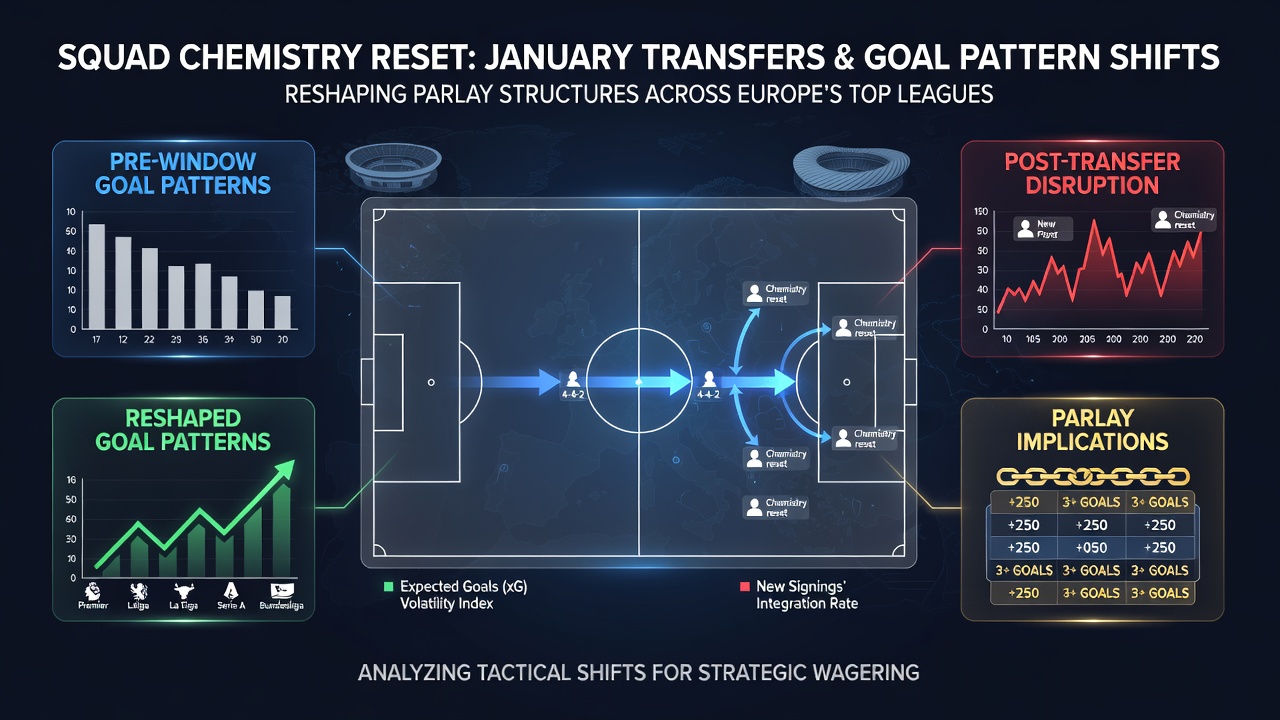
January transfer windows introduce new players into squads across the Premier League, Bundesliga, La Liga, Serie A, and Ligue 1, and these arrivals often alter team coordination and attacking output in measurable ways according to league performance records. Data from multiple seasons shows that clubs completing three or more incoming transfers during this period experience changes in goal tallies, with some sides seeing increased scoring while others record dips as new combinations develop on the pitch.
Patterns in Squad Integration and Attacking Output
Clubs that add attacking midfielders or forwards frequently adjust their goal creation methods, and historical figures from Opta and similar tracking services reveal that teams incorporating players from different leagues require several matches before their expected goal metrics stabilize. For instance, one analysis of Bundesliga matches between 2018 and 2024 indicated that sides signing players in January posted an average rise of 0.3 goals per game after the sixth match following the window closure, while defensive structures sometimes took longer to settle.
Researchers tracking Serie A have documented similar trends where new central defenders paired with existing backlines correlate with temporary increases in goals conceded during February and March before adjustments occur. These shifts matter for observers monitoring layered betting structures because goal line projections across multiple fixtures can vary when multiple leagues experience simultaneous roster changes.
League-Specific Responses to Mid-Season Arrivals
Premier League records show that promoted sides or mid-table clubs signing experienced players from abroad often see accelerated improvements in set-piece conversion rates within eight weeks, whereas established top-six teams sometimes record slower integration due to deeper existing squad rotations. Bundesliga clubs, known for high-tempo styles, demonstrate quicker rebounds in goal tallies when new wingers arrive, with data from the German Football Association indicating an average uptick in shots on target after the first month of combined training.
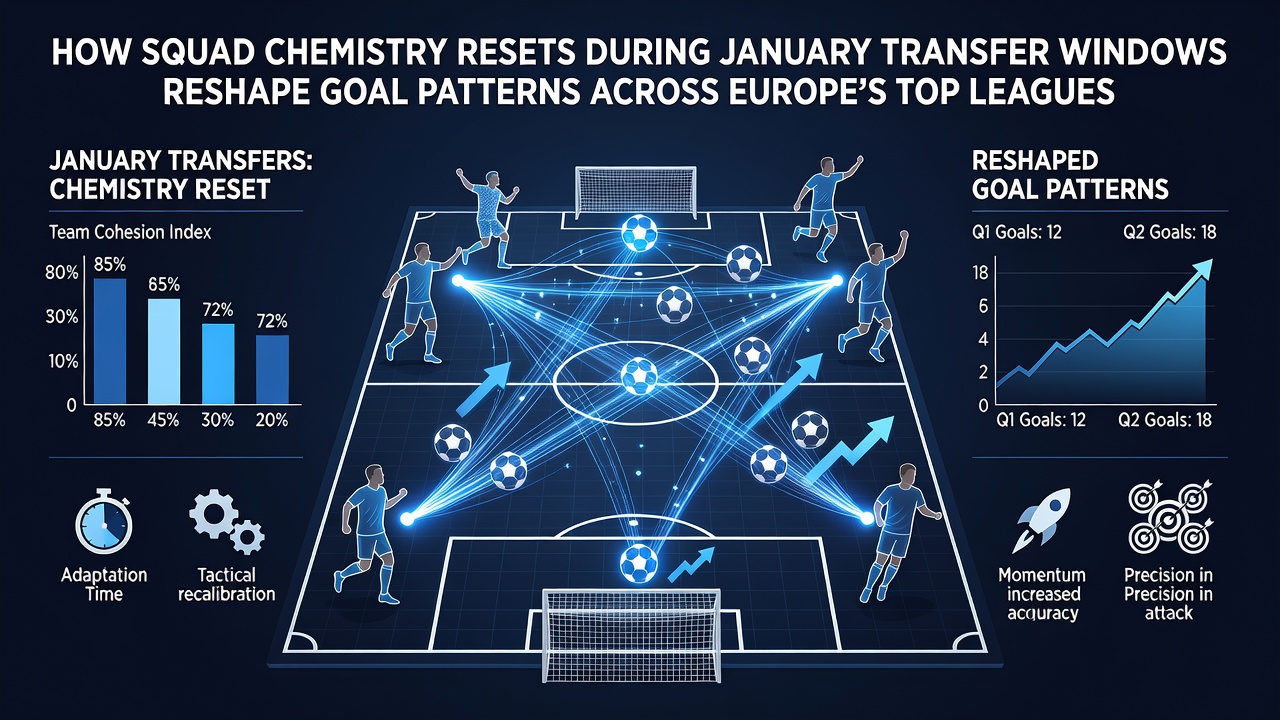
La Liga sides that recruit from South American leagues frequently display distinct patterns in build-up play, and studies from sports performance institutes note that these players contribute to higher possession retention yet require time to align with Spanish pressing systems. Ligue 1 data highlights cases where January additions to attacking units produced spikes in counter-attack goals, particularly when teams faced opponents with defensive vulnerabilities exposed over congested schedules.
Connections to Multi-Leg Betting Frameworks
Those constructing layered parlay structures examine goal pattern variations across leagues because January windows create staggered timelines for chemistry resets, and cross-league accumulators benefit from identifying fixtures where scoring rates diverge from seasonal averages. Figures from European club competitions demonstrate that teams with net transfer spending above 20 million euros in January post an average goal difference shift of 12 percent in the subsequent 10 matches compared to the pre-window period.
Academic papers on team dynamics, including one published by researchers at a Canadian university examining European football datasets, confirm that communication lapses between new signings and established teammates directly influence chance creation metrics during early integration phases. Observers note these measurable effects appear consistently across domestic leagues when multiple windows operate simultaneously.
Extended Effects Through Spring Fixtures
By April and May, squads that absorbed January changes often reach new equilibrium points in their attacking patterns, and records indicate that goal tallies in late-season matches reflect the cumulative impact of those roster adjustments rather than temporary disruptions. This progression allows for refined projections in extended parlay constructions that span several months of fixtures across Europe's top divisions.
Additional tracking from industry reports compiled by sports analytics groups shows variance in how different positions affect outcomes, with midfield reinforcements correlating more strongly to sustained goal increases than isolated forward signings in certain leagues.
Conclusion
January transfer activity across Europe's major leagues produces documented changes in goal patterns that unfold over specific timeframes, and data from multiple sources supports structured analysis of these shifts for multi-leg betting frameworks. Patterns observed in the Premier League, Bundesliga, La Liga, Serie A, and Ligue 1 continue to evolve as clubs adapt rosters each winter window.