Altitude and Acclimatization Effects on Performance Metrics in High-Elevation Soccer Fixtures for Multi-Bet Opportunities
Written by Ellis Brooks · May 18, 2026
Altitude and Acclimatization Effects on Performance Metrics in High-Elevation Soccer Fixtures for Multi-Bet Opportunities
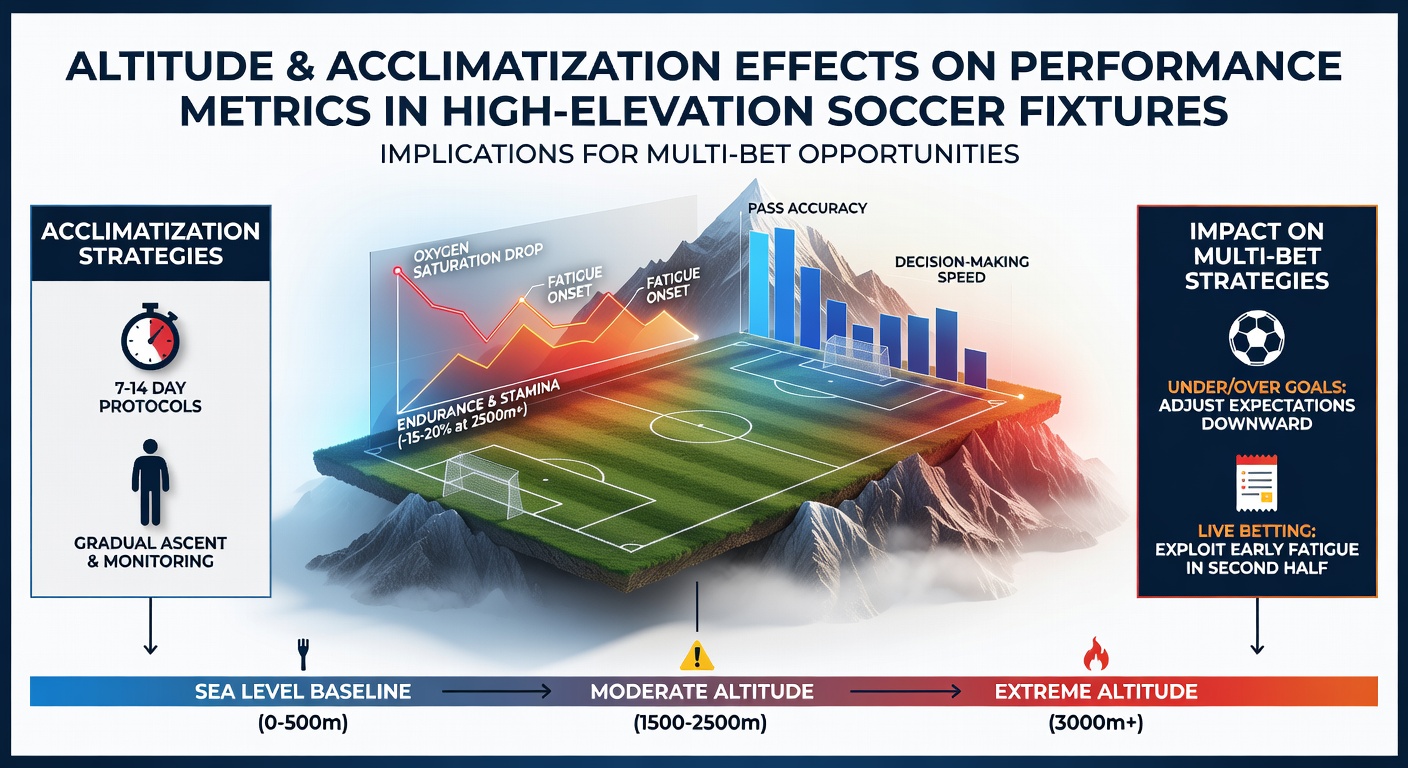
High-elevation soccer venues create distinct physiological challenges that alter performance metrics in measurable ways, and observers note these shifts often appear in goal tallies, sprint distances, and recovery times across visiting squads. Research from sports science institutions indicates that reduced oxygen availability at altitudes above 2,500 meters forces the body to work harder even during moderate exertion, which leads to earlier onset of fatigue in athletes unaccustomed to the conditions. Data collected from matches in Bolivia and Mexico shows home teams maintain higher average speeds in the final 15 minutes of games compared to opponents who arrive without extended preparation periods.
Physiological Responses at Elevation
Lower partial pressure of oxygen triggers increased breathing rates and elevated heart rates within minutes of arrival, while hemoglobin levels require several days to rise and improve oxygen-carrying capacity. Studies conducted by the Australian Institute of Sport reveal that players experience a 10 to 15 percent drop in maximal oxygen uptake when competing above 3,000 meters without prior exposure, and this reduction directly correlates with shorter high-intensity running bouts during matches. Teams that schedule training camps at intermediate altitudes for 10 to 14 days before fixtures demonstrate smaller declines in these metrics, according to physiological monitoring data from multiple South American clubs.
Key Performance Metrics Impacted
Total distance covered drops noticeably for visiting players, and passing completion rates fall as decision-making slows under hypoxic stress. Analysts tracking European sides traveling to Mexico City have recorded average sprint counts reduced by roughly 20 percent in the second half, whereas local squads sustain output levels closer to sea-level norms. Goal-scoring patterns shift as well, with fewer long-range strikes and more set-piece opportunities emerging because fatigue limits defensive organization in later stages of play.
Acclimatization Timelines and Team Protocols
Full adaptation unfolds over two to three weeks, yet most clubs operate under tighter schedules that allow only partial adjustments before kickoff. UEFA-affiliated medical reports highlight that even five days of residence at altitude produce measurable gains in submaximal endurance, although explosive actions like repeated sprints continue to suffer until longer exposure occurs. Coaching staffs often rotate players more frequently during high-elevation games to manage cumulative workload, and substitution patterns reflect these strategic choices in league and cup competitions scheduled for May 2026.
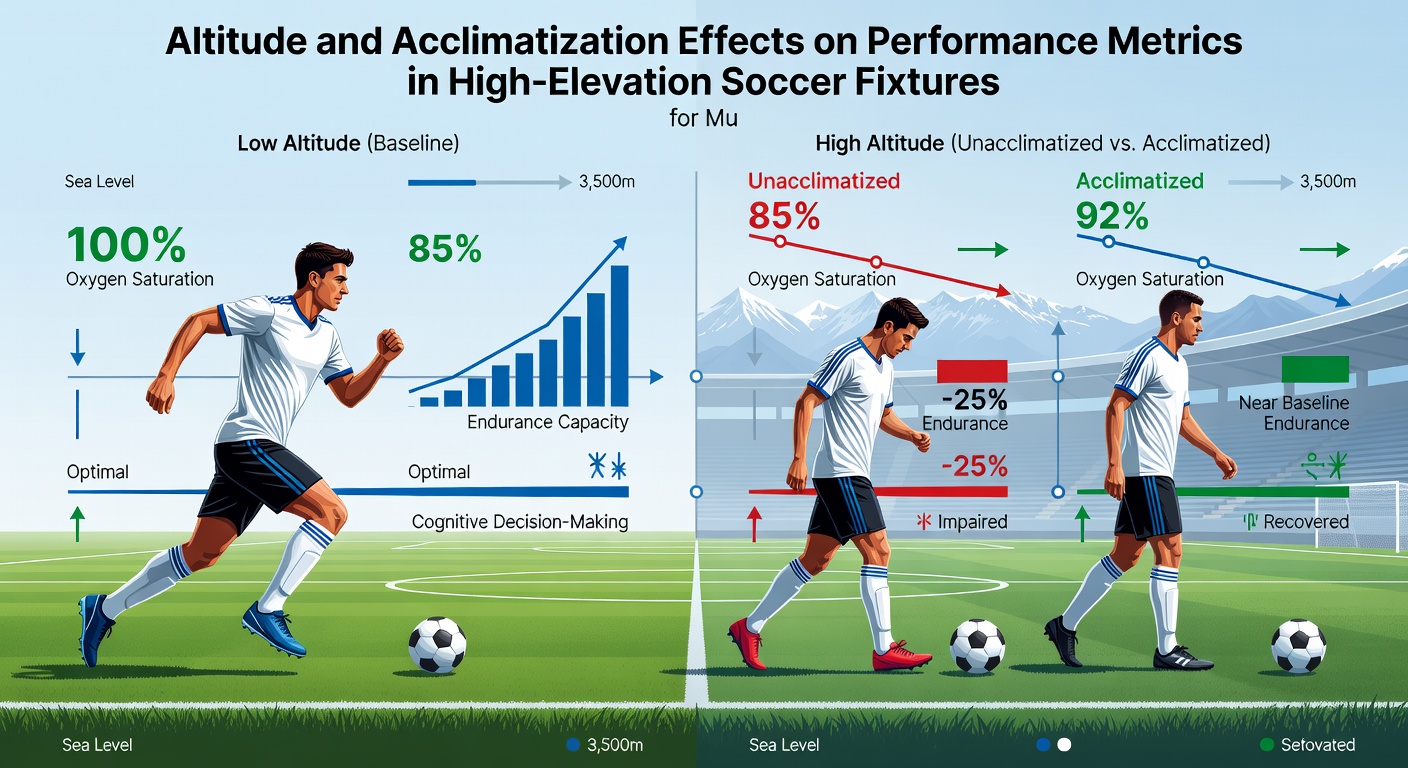
What's interesting is how these adjustments influence match outcomes when one side benefits from home elevation while the other contends with rapid travel. Figures from CONMEBOL competitions indicate that visiting teams average 1.2 fewer shots on target per game at venues like Estadio Hernando Siles, yet the same squads show improved numbers once they return to lower elevations in subsequent fixtures. Observers note that recovery protocols, including hydration schedules and sleep management, further modulate these effects across congested calendars.
Data Patterns in Recent High-Elevation Encounters
Performance databases compiled by regional football federations reveal consistent trends where acclimatized home sides convert more than 35 percent of their scoring chances in the final quarter of matches, compared to under 25 percent for non-acclimatized opponents. European teams participating in 2026 preparatory tournaments have already begun incorporating altitude simulation chambers into training regimens, and early indicators suggest modest improvements in heart-rate recovery times during simulated conditions. These controlled environments help bridge the gap when actual camp time remains limited by travel logistics.
But here's the thing: individual player responses vary based on genetics and prior experience at elevation, which creates additional layers for performance forecasting. Midfielders and forwards typically exhibit larger drops in work rate than goalkeepers, while older athletes adapt more slowly according to longitudinal tracking studies. Such variations appear in aggregated match statistics released after international windows, and they influence how analysts interpret team totals across multiple legs of betting markets.
Implications for Accumulator Construction
Match statistics from high-elevation venues feed directly into models that project under or over lines on total goals and player-specific metrics. Lower overall intensity often produces tighter scorelines in early halves followed by increased scoring late, a pattern documented in Copa Libertadores group-stage fixtures. Bettors examining multi-leg wagers can reference these historical distributions when pairing high-altitude games with lower-elevation contests scheduled on the same slate.
Canadian research groups have contributed comparative data showing that acclimatization windows of at least nine days narrow the performance gap between sides to within five percent on key endurance markers. This evidence supports more precise weighting of variables when constructing accumulators that span several time zones and elevations. In May 2026, several South American qualifiers will again test these dynamics as squads balance domestic and international demands.
Conclusion
Altitude continues to shape soccer performance through predictable physiological pathways that teams and analysts track with increasing precision. Acclimatization remains the primary mitigator, yet scheduling realities frequently limit its application. Performance datasets from venues above 2,500 meters supply objective benchmarks that inform expectations for metrics such as distance covered, shots attempted, and late-game output. Observers following these patterns gain clearer views of how elevation interacts with fixture congestion and travel demands across upcoming calendars.